November 13, 2026
Your home serves as your ultimate sanctuary, and selecting appropriate building materials remains the single most critical factor in achieving lasting structural integrity, elevated architectural beauty, and exceptional return on investment. Whether you are executing a comprehensive kitchen remodel, replacing deteriorated exterior claddings, framing an expansive structural addition, or refreshing the finishes across common living spaces, every single phase of residential renovation hinges on the physical properties of the items you specify. Construction options on the contemporary market range from time-tested dimensional timbers and traditional masonry to specialized polymers, advanced mineral composites, and automated architectural systems.
Understanding Project Requirements and Scope
The journey toward discovering ideal residential building materials begins with an exhaustive, realistic audit of the true functional requirements and physical scale defining your project. A modest interior facelift involving drywall repairs, fresh trims, and replacement cabinetry surfaces requires an entirely different engineering and material paradigm than an exterior renovation involving structural framing, moisture barrier installations, or roofing assemblies. Start by cataloging the unique localized environmental stressors present within each targeted room or elevation. High-humidity zones such as master bathrooms, basement retreats, and laundry rooms necessitate finishes with impervious absorption rates, robust mold resistance, and vapor-barrier compatibility. Kitchens, entryways, and family living areas require flooring and countertop substances that resist abrasive foot traffic, blunt impacts, grease, and direct heat exposure. Thoroughly evaluating the specific operational stresses of every individual zone prevents early finish degradation, structural movement, and unexpected water damage.
Cohesive aesthetic continuity must remain intertwined with these performance parameters rather than treated as an afterthought. Clarify the visual vocabulary you want to express, whether that leans toward clean Scandinavian minimalism, rich transitional heritage, rustic craftsman warmth, or sleek modern industrialism. Your structural choices should effortlessly reinforce this overarching narrative. Fortunately, modern engineered building materials excel at bridging performance and authentic design. Highly realistic composite timbers, non-porous sintered stones, and specialized architectural tiles now emulate traditional organic surfaces without inheriting their inherent vulnerability to moisture damage, insect rot, or heavy maintenance regimens. Establishing clear interior and exterior visual themes allows you to eliminate hundreds of incongruous options right away, zeroing in exclusively on products that satisfy both structural and design goals.
Researching Construction Options and Product Standards
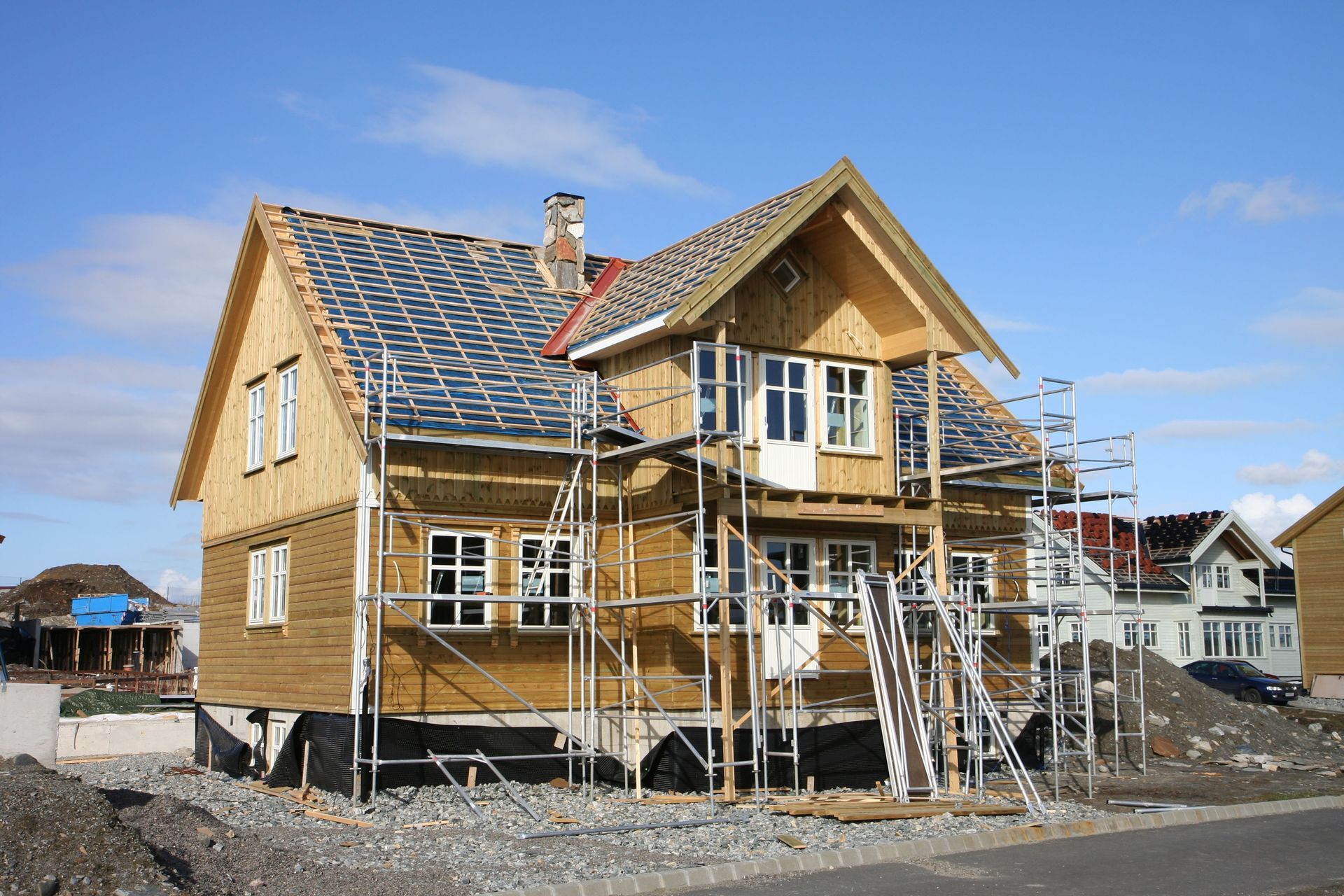
Navigating the broad spectrum of primary framing lumber, masonry blocks, structural metals, and modern synthetics requires an appreciation of each substance's distinct physical behavior and load performance. Traditional lumber remains the historical standard across North American residential framing thanks to its high strength-to-weight ratio, structural pliability, and ease of job-site modification, yet it requires careful moisture equilibrium management to stop twisting, checking, and warping. Structural steel and light-gauge metal systems provide exceptional fire resistance, pest immunity, and dimensional precision for expansive open-concept layouts, though they demand specialized fastening techniques and rigorous thermal break integrations to stop energy conductivity. On exterior elevations, modern composite sidings, autoclaved fiber cement systems, and continuous exterior insulation panels combine to establish robust building envelopes that dramatically lower wall-cavity moisture risks while handling punishing ultraviolet exposure without chalking.
Eco-conscious sourcing practices and long-term energy conservation standards have swiftly moved from fringe luxury concepts to foundational residential benchmarks. Today's homeowners routinely specify sustainably harvested forestry products, recycled interior drywall, and mineral wool insulation to minimize their carbon footprint while drastically reducing indoor volatile organic compounds. Investing in a resilient exterior envelope pays immediate fiscal and environmental dividends. According to Fixr, installing new siding improves protection, boosts curb appeal, increases energy efficiency, and raises resale value, with mid-range materials offering a return on investment of 80% to 90%. Enhancing your home's thermal enclosure with dense, airtight claddings lowers mechanical heating and cooling loads, slashing utility invoices and extending the functional lifespan of major HVAC appliances.
Comparing Financial Outlays and Long-Term Value
An accurate assessment of building material economics requires making a firm distinction between immediate front-end purchase pricing and genuine lifecycle ownership expenses. Commodity-tier items frequently look attractive on initial distributor estimates, yet their long-term ownership costs can prove staggering when factoring in recurring paint schedules, delicate chemical sealants, and frequent patch jobs. In contrast, superior building materials typically command a higher initial capital investment but deliver profound lifetime savings through exceptional durability, zero-maintenance surfaces, and bulletproof resistance to moisture penetration, rot, and pest infestations across decades of family living.
Energy performance represents another major pillar of long-term economic returns. Integrating high-performance structural insulated panels, radiant barrier roof sheathing, and thermally isolated multi-pane glazing units significantly curbs conditioned air loss throughout peak summer and winter seasons. These continuous exterior assemblies mitigate thermal bridging, the direct conduction of heat through uninsulated wall studs, thereby sustaining stable interior temperatures, dampening outdoor street sounds, and lessening overall wear on cooling compressors and furnaces. Calculating the continuous thermal resistance of your planned building envelope sheds light on the actual utility reductions you will enjoy for years to come.
Consulting Experienced Construction and Design Specialists
Collaborating directly with seasoned general contractors, master builders, and specialty tradespeople introduces practical clarity that cannot be gleaned from manufacturer marketing materials alone. Experienced builders spend decades working with diverse wood grains, assessing concrete hydration curves, and observing how different cladding systems weather under harsh regional microclimates. Their practical field experience immediately identifies hidden installation bottlenecks, substrate incompatibilities, and unexpected labor costs that glossy sales brochures overlook. Furthermore, relying on established trade specialists gives you access to specialized wholesale distribution channels, commercial-tier pricing, and vetted product lines rarely accessible to the general public.
Licensed architects, certified interior designers, and professional spatial planners contribute strategic value by synthesizing diverse structural choices into a cohesive architectural whole. They meticulously coordinate complex junction points, such as the transition from exterior masonry veneer to horizontal lap siding, or the moisture barrier connection where interior curbless showers meet adjacent engineered hardwoods. Their deep technical expertise ensures room volumes capture natural daylighting, transitions remain clean, and finish selections reflect complementary textures and tones. In addition, consulting certified structural engineers guarantees that load-bearing walls, subfloors, and foundational footings are properly sized to handle the substantial dead weight of heavy materials like slate roofing, cast concrete counters, or natural stone fireplaces without future sagging or settling.
Soliciting diverse opinions from independent trade professionals during the early schematic design phase routinely uncovers clever design solutions. Specialized sub-contractors, such as professional moisture remediators, thermal envelope raters, and finish millworkers, often suggest innovative composite alternatives or sustainably harvested domestic timbers that match the visual and structural prowess of exotic imports at a fraction of the procurement lead time. Welcoming professional critiques during pre-construction eliminates expensive on-site revisions, tightens your schedule, and guarantees your material palette achieves balance between aesthetic refinement, code safety, and structural integrity.
Managing Purchases and Post-Installation Upkeep
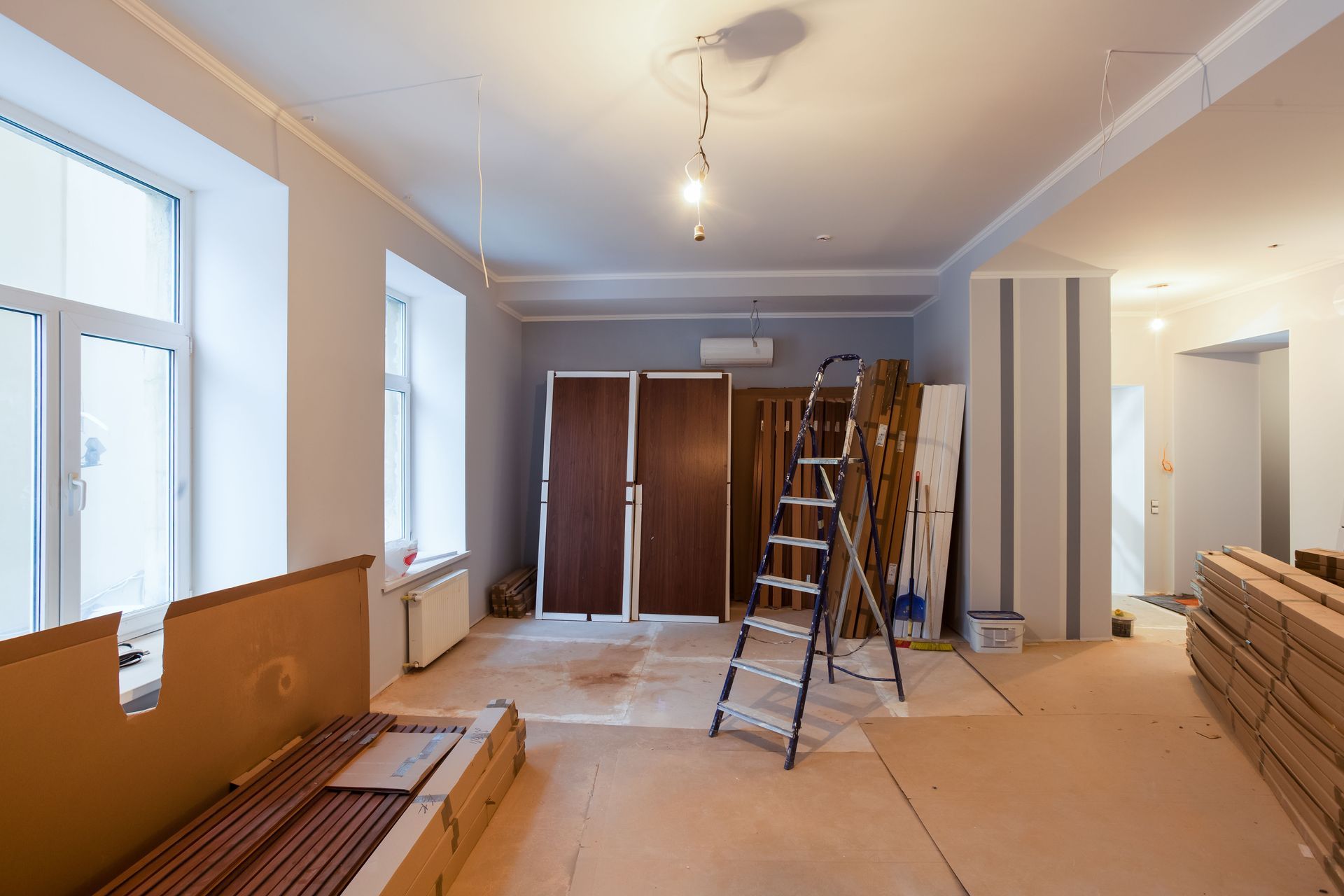
Carefully managing purchasing logistics, job-site delivery staging, and environmental storage conditions is essential to protect the quality of your supplies before installation starts. Porous products such as kiln-dried framing lumber, interior drywall, pre-hung doors, and architectural finish millwork must never sit directly on bare earth or stay exposed to damp job-site weather, which triggers bowing, surface mold, and dimensional expansion. Coordinate carefully staged delivery drops aligned with the exact sequence of construction, and designate a clean, level, covered staging area with proper tarps and dunnage. Inspect each delivery immediately for moisture issues, crushed edges, missing fastener components, or mismatched finish dyes, making sure return claims or replacements can clear without delaying your crew.
When trades wrap up their rough and finish installations, conduct an exhaustive quality assurance inspection alongside your lead contractor before signing off on final payments. Scrutinize all flashing junctions around exterior windows, inspect expansion joints along siding runs, verify continuous thermal wraps, and check the flatness of laid subflooring. Catching trade discrepancies and installation errors early allows workers to make quick adjustments, reseal gaps, and keep manufacturer warranty protections fully enforceable.
Consistent, disciplined maintenance safeguards visual charm, optimizes operational efficiency, and ensures your home upgrade remains an enduring sanctuary for decades to come. For more information about the services that we offer, reach out to our incredible team at Armstrong Lumber today!